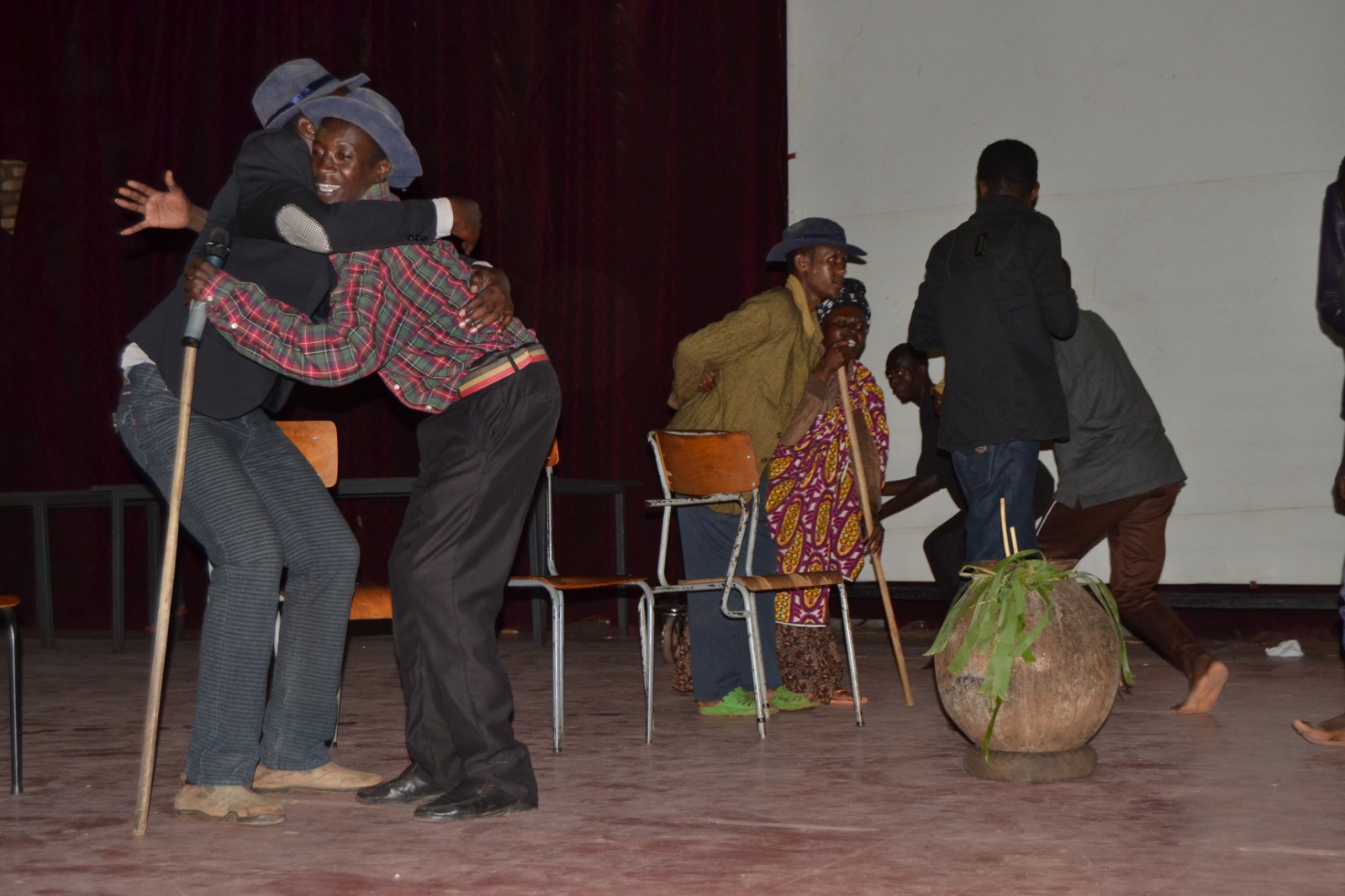
The University of Rwanda (UR) is set to revive its Centre for the Arts, a once-thriving hub of cultural and artistic expression that played a central role in shaping Huye’s creative identity for more than a decade.
Originally established in 1999 at the former National University of Rwanda (NUR) in Butare, the Centre, then known as the University Centre of Arts and Drama, served as a home for music, theatre, dance, poetry, and visual arts.
It became a focal point for both academic life and community engagement, nurturing generations of artists who went on to influence Rwanda’s cultural landscape nationally and beyond.
A cultural hub born in 1999
According to Janvier Murenzi, the Acting Director of the University Centre of the Arts (UCA), the Centre was created to promote artistic and cultural expression within the university while linking academic knowledge with creativity.
“In its early years, the Centre stood at the heart of arts and culture at the university,” Murenzi told Salus Radio on February 2, noting that it helped students develop talent, creativity, and entrepreneurial skills long before the creative economy became a national priority.
That rationale is echoed by Dr Raymond Ndikumana, the Deputy Vice Chancellor for Strategic Planning and Administration at UR, who said the Centre’s revival responds to a long-standing gap between theory and practice in arts education.
“We already had departments teaching history and creativity and art, but there was no place for practice and no means for students to showcase their talents,” Ndikumana said. “That is what the Centre will focus on providing a space where students and researchers in that domain can train and express themselves.”
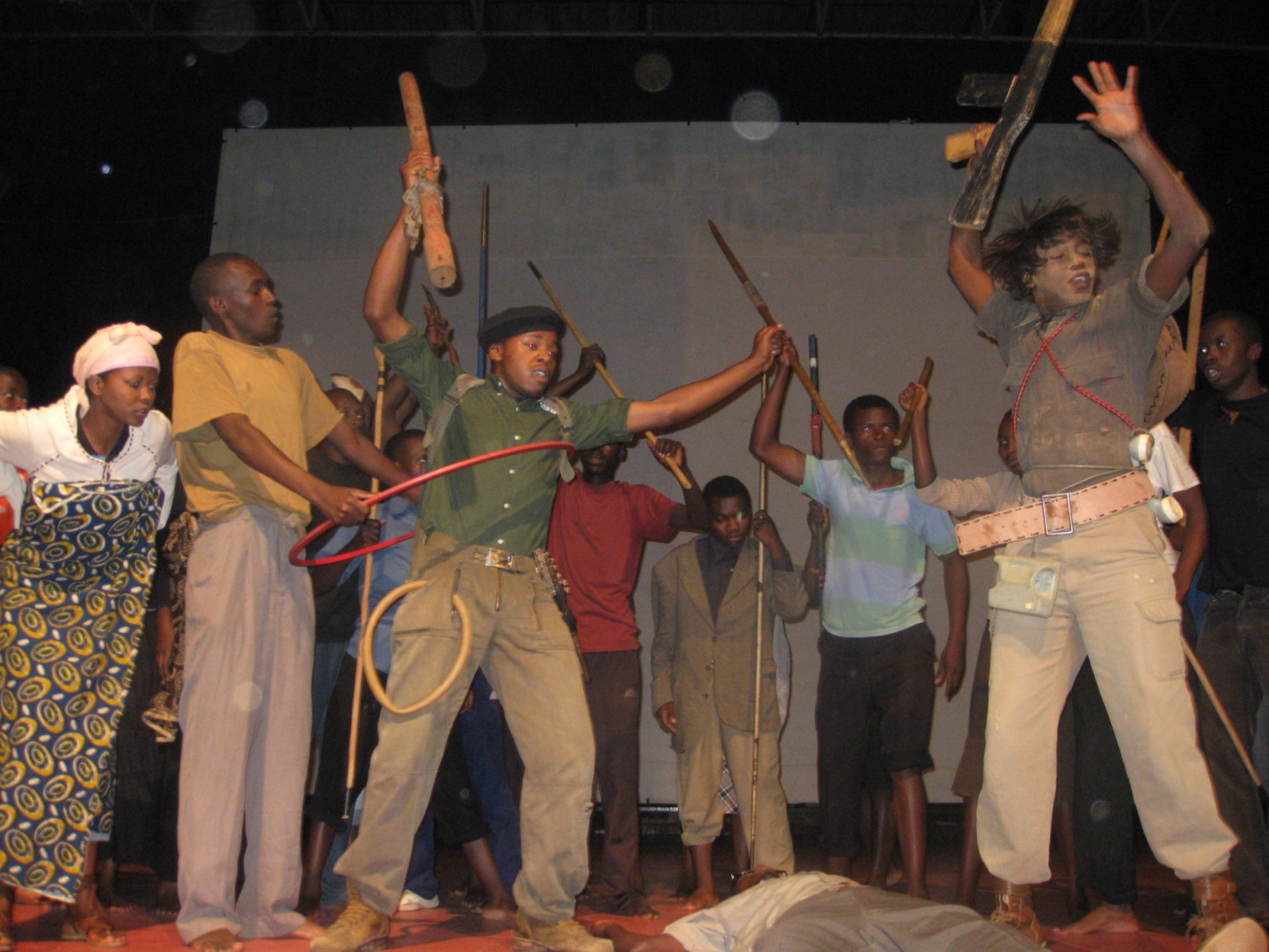
Closure after the 2013 university merger
Following the 2013 merger that brought together NUR and other public higher learning institutions under the University of Rwanda, the Centre gradually ceased operations. Beyond the merger, Murenzi explained, the closure was also driven by internal challenges, including staff redeployments without replacement and weakened coordination after key leaders were assigned to different campuses.
The closure left a noticeable cultural void in Huye, a town long regarded as a cradle of intellectual and artistic life.
University officials say the revival is driven by a renewed understanding of the role of art in national development. Murenzi stressed that art is no longer viewed merely as entertainment.
“Art is one of the pillars of a country’s development,” he said, highlighting its contribution to talent development, creativity, and entrepreneurship. “It helps students understand how to leverage their craft for both personal growth and economic opportunity.”
He pointed to countries such as Jamaica, whose global influence far exceeds their size due to strong cultural and artistic identities. Rwanda, he added, is similarly grounded in culture and stands to benefit from investing more intentionally in creativity and the arts.
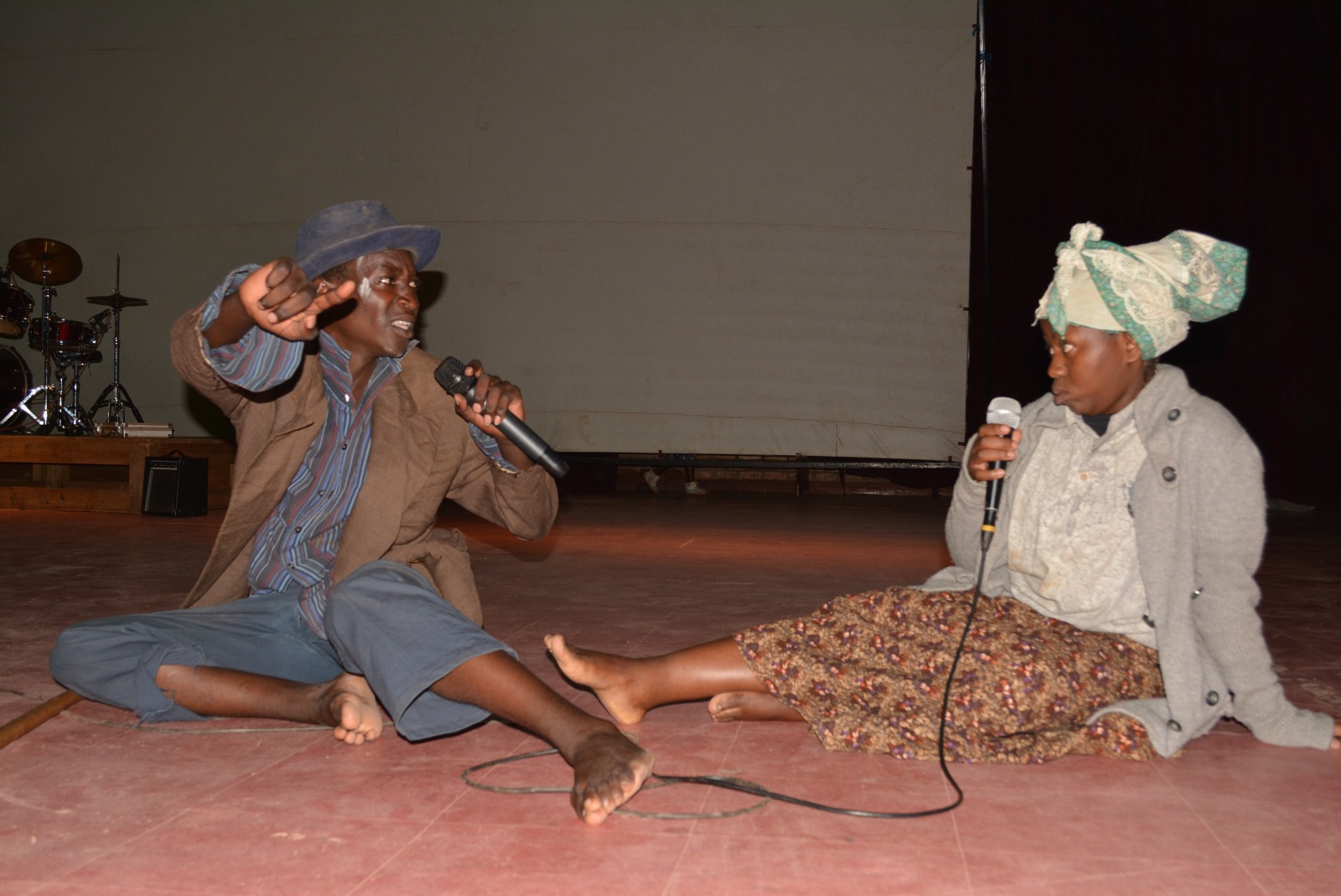
For artists who passed through the Centre, its impact went far beyond extracurricular activity. Ben Nganji, an actor and comedian who joined NUR in 2007, recalls the Centre as a rare space where talent was nurtured alongside academic life.
“We went there to study music. There was a program for learning guitar, and a university staff member, Madam Ambassador Beata, a Polish national, taught us guitar,” Nganji said. “There were also drummers and many activities that helped a person develop their talent.”
He said the Centre offered more than training, it provided inspiration, resources, and a sense of belonging.
“There were books, people could read works of past artists, which gave you motivation,” he said. “After classes, you had a platform to nurture your talents. It helped me a lot, even though sometimes academic studies limited my full participation.”
Nganji added that the Centre played a crucial role during regional and international university competitions, giving students the space and resources needed to stage meaningful performances.
“In theatre, if you lack a place to gather and the resources that give value to performance, it becomes difficult,” he said. “The Centre Universitaire des Arts played a very important role. Those who passed through it gained a deep well of knowledge, wisdom, and artistry.”
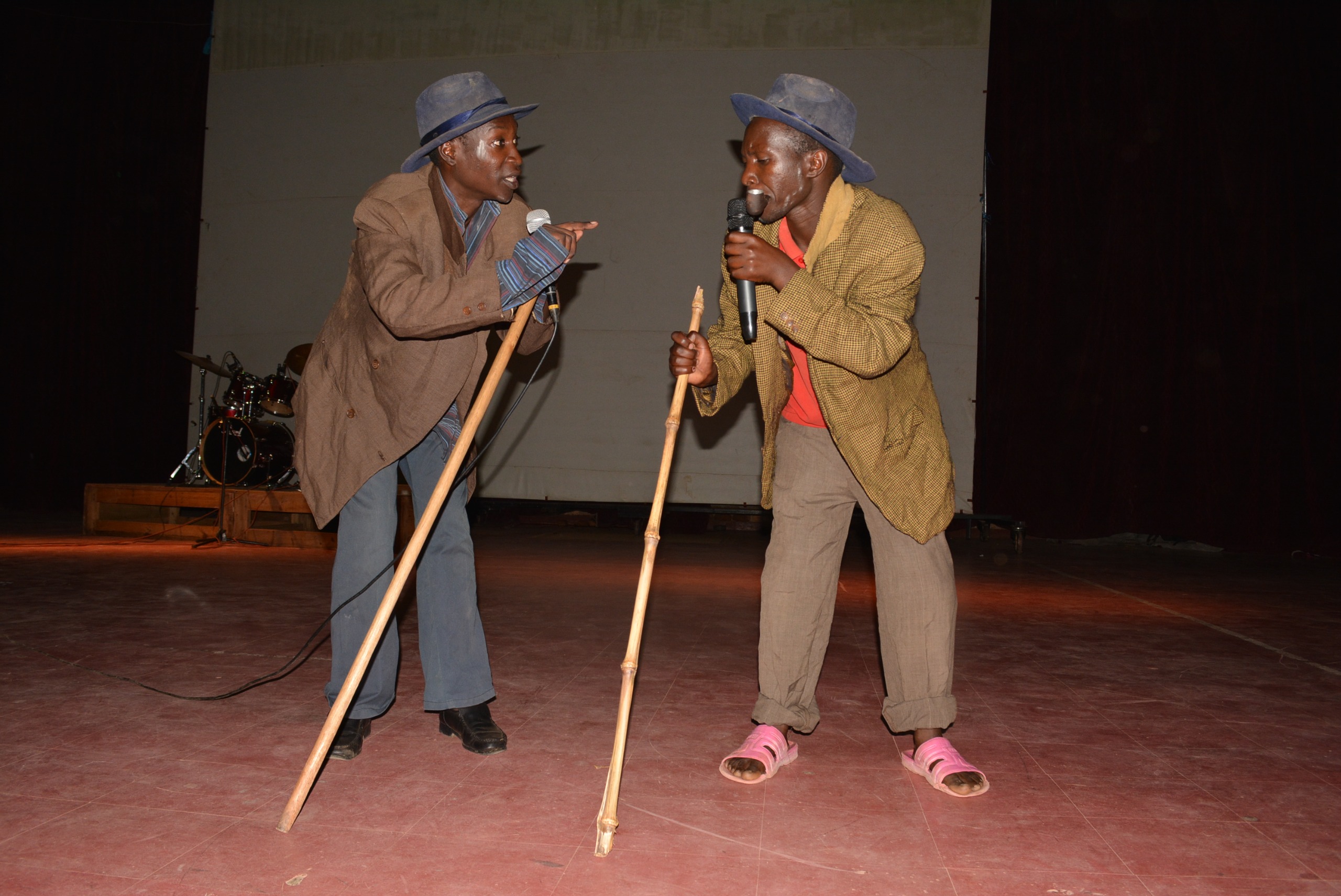
Art as healing, identity, and livelihood
Chrispine Hahirwuwizera, an assistant lecturer in Linguistics and Culture at UR, said the decision to revive the Centre also reflects art’s broader social and psychological importance.
“Art plays a vital role in self-expression and in teaching social values and norms,” Hahirwuwizera said. “It also has a healing dimension, helping people cope with depression, heartbreak, and emotional pain. A community that embraces art is more likely to be emotionally healthy.”
She added that art shapes social behavior, strengthens harmony, brings people together, and serves as a reliable source of income for many individuals.
As part of the revival, the Centre will place strong emphasis on quality writing and storytelling, with the aim of producing artists whose work carries lessons, meaning, and social relevance.
Historically, UCA offered short courses in music, theatre, dance, and visual arts, and facilitated advanced training abroad. Among those who benefited were Aimable Twahirwa and Gakire Katese, who studied arts in France for two years before returning to Rwanda to lead the Centre and mentor young creatives.
Although plans for long-term courses and a structured curriculum existed in the past, they were never fully implemented due to limited capacity. Organizers say this gap will now be addressed.
A pilot phase is already underway within the Arts and Creative Industries Department, with plans to expand into fully developed academic programs in the coming years.
The revived Centre aims to transform how art is perceived by positioning it as a driver of the creative economy and a bridge between the university and the wider community.
Students from other departments with a passion for the arts will also be included, in line with the principle of artistic democratization. Participants in short training programs will continue to receive certificates, as was previously the case.
Training will be led primarily by lecturers specializing in human sciences and the arts, with additional support from the College of Science and Technology. Partnerships have also been established with the Ministry of Youth and Arts, cultural institutions, creative organizations, and UCA alumni.
The revival will begin with a pilot training program scheduled for February 2–6 at various venues across the UR Huye campus, including the Main Auditorium, UR Huye Stadium, KOIKA Building, Batiment, and the former Rectorate.
An official launch will follow on February 17–18 under the theme “Iwacu: Where Knowledge Meets Creativity” and the tagline “Inspiring Talent, Shaping the Future.”
The program will feature workshops, festivals, performances, and technology-driven activities such as graphic design and stand-up comedy, all aimed at restoring Huye’s vibrant cultural atmosphere.
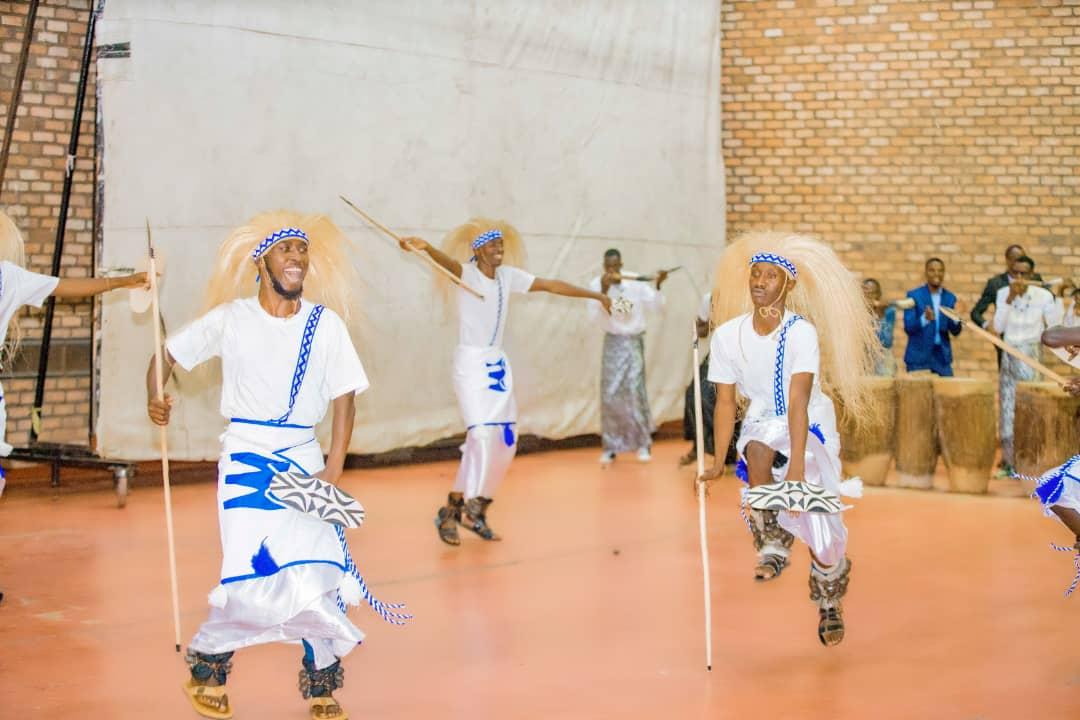
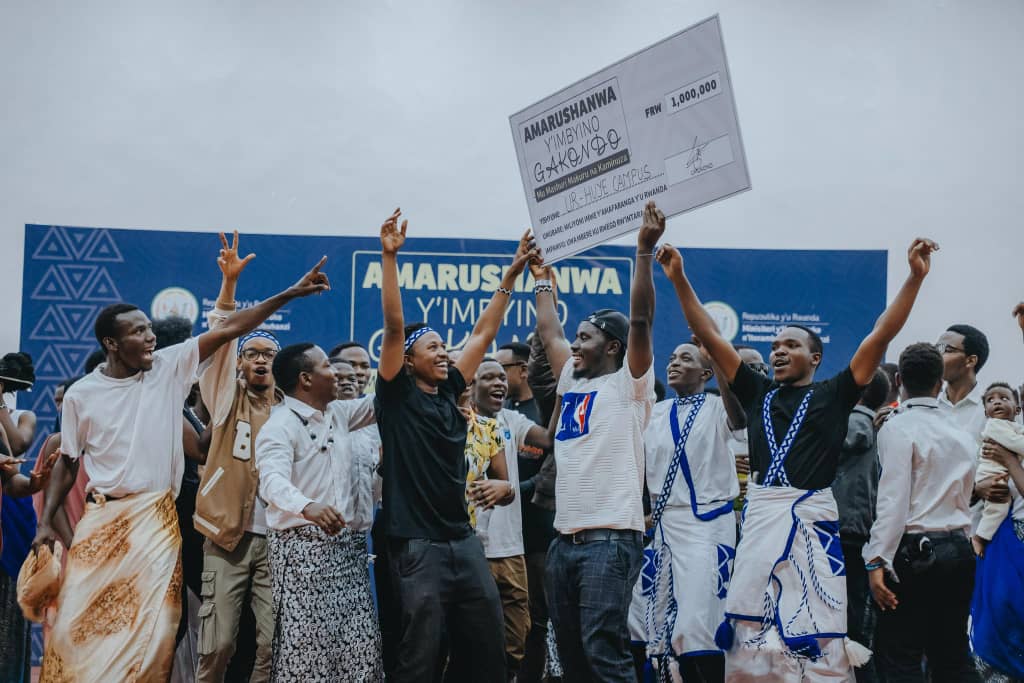
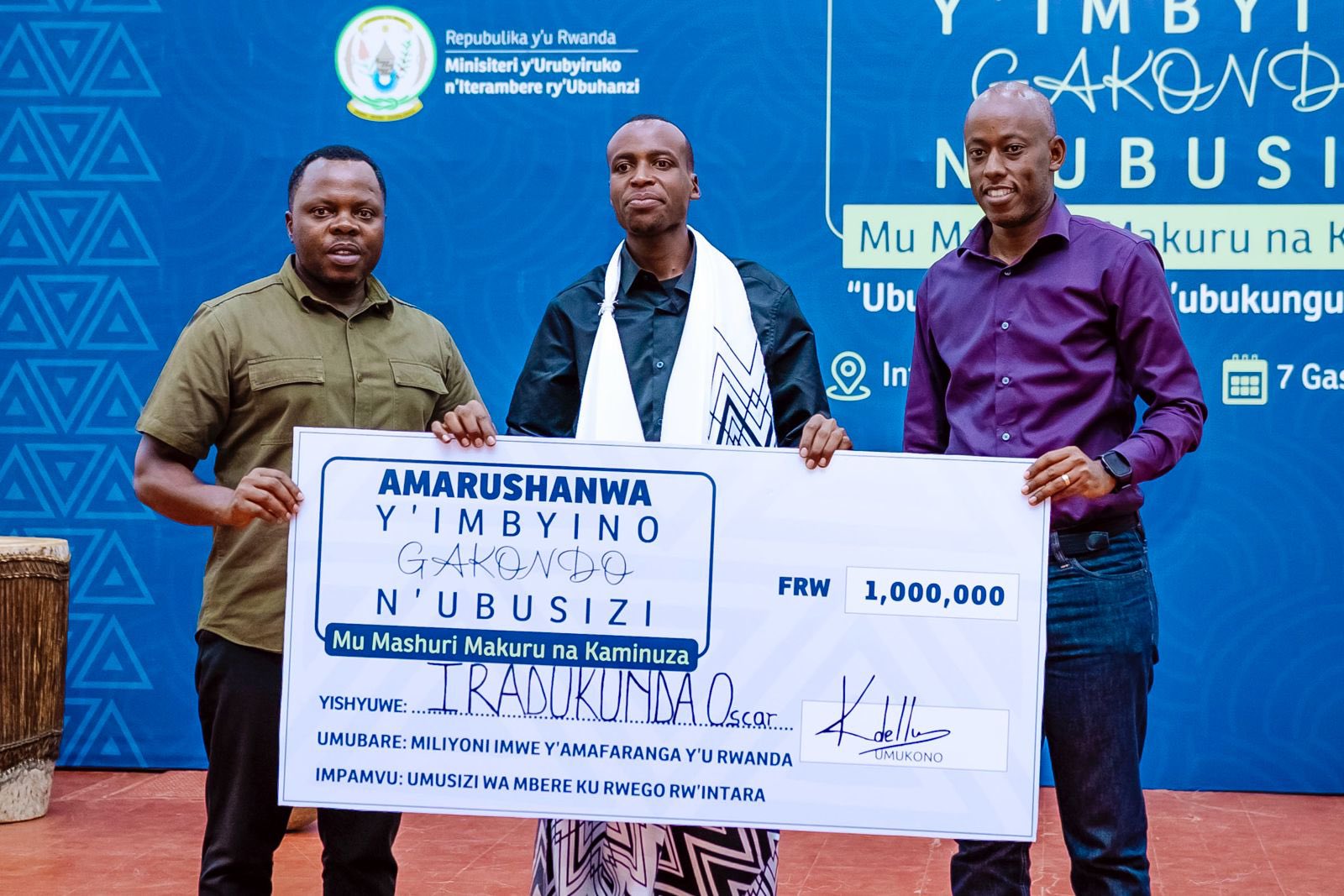
Despite the setback of not having a Centre for the Arts, the university has continued to promote culture, officials say. Most recently, at the traditional dance and poetry competitions for higher learning institutions organised by the Ministry of Youth, the University of Rwanda emerged first in traditional dance, while Oscar Iradukunda, a university student, also took first place in poetry.
The University of Rwanda’s move to revive its Centre of Arts aligns closely with national priorities outlined in the NST2, particularly in promoting inclusive growth and job creation through the creative economy. The strategy emphasises developing technical and entrepreneurial skills, including in the creative industry, to expand employment opportunities and support business development, especially among youth and women.
By strengthening arts education, nurturing talent, and linking creativity to entrepreneurship and innovation, the Centre contributes to the broader government agenda of generating productive jobs, empowering young people with market-relevant skills, and positioning the creative sector as a driver of sustainable economic growth.
The Kaminuza Star